
Blue Sapphire (Neelam): Meaning, Benefits, How to Choose & Buying Guide
Blue Sapphire, also known as Neelam, is one of the most popular and highly valued gemstones in the world. Known for its deep blue color, remarkable durability, and elegant appearance, Blue Sapphire has been admired for centuries.
For people interested in gemstones, Blue Sapphire is especially fascinating because of its connection with traditional astrology, royal jewelry, and fine gemstone collections.
In this complete guide, we will explore Blue Sapphire meaning, benefits, quality factors, how to identify a natural Blue Sapphire, and how to choose the right gemstone.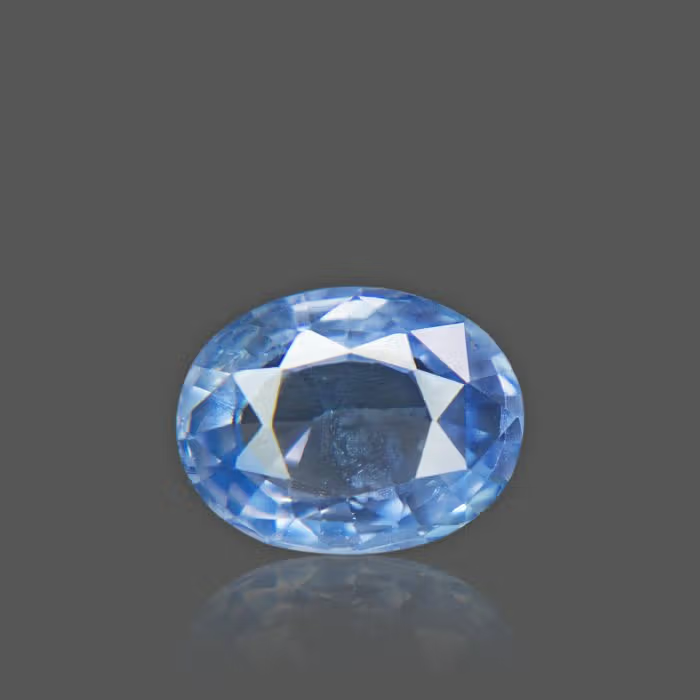
What Is Blue Sapphire?
Blue Sapphire is a variety of the mineral corundum. Its blue color is mainly caused by trace amounts of iron and titanium within the crystal structure.
On the Mohs scale of hardness, sapphire has a hardness of 9 out of 10, making it one of the hardest naturally occurring gemstones after diamond. This makes Blue Sapphire suitable for rings, pendants, earrings, and other types of everyday jewelry.
Natural Blue Sapphires can be found in several locations around the world, including Sri Lanka, Madagascar, Myanmar, India, and other gemstone-producing regions.
Blue Sapphire Meaning
Blue Sapphire is traditionally associated with qualities such as:
- Wisdom and mental clarity
- Discipline and focus
- Protection
- Confidence
- Inner strength
- Spiritual awareness
In many cultures, the gemstone has been considered a symbol of royalty, power, loyalty, and sincerity.
The deep blue color of sapphire also gives it a sophisticated appearance, making it a popular choice for both traditional and modern jewelry.
Blue Sapphire in Vedic Astrology
In Vedic astrology, Blue Sapphire is commonly known as Neelam and is traditionally associated with the planet Saturn (Shani).
According to traditional beliefs, Neelam is considered a powerful gemstone and is often recommended based on an individual’s birth chart.
However, astrological gemstone recommendations are based on traditional beliefs and should not be considered scientifically proven.
If you are considering Blue Sapphire for astrological purposes, it is generally advisable to consult a qualified astrologer before wearing it.
Blue Sapphire Benefits
Blue Sapphire is traditionally believed to offer several benefits. These beliefs vary between cultures and astrological traditions.
1. Believed to Support Focus
Blue Sapphire is traditionally associated with concentration, discipline, and mental clarity.
2. Symbol of Protection
In some traditions, Blue Sapphire is believed to provide protection from negative influences and unwanted energy.
3. Associated With Success
Some gemstone traditions connect Neelam with professional growth, discipline, and financial stability.
4. Represents Wisdom
The deep blue color of sapphire has long been associated with wisdom, knowledge, and calmness.
5. Beautiful and Durable Jewelry Gemstone
Apart from traditional beliefs, Blue Sapphire is an excellent jewelry gemstone because of its attractive color and high durability.
Important: These benefits are based on traditional and cultural beliefs and are not medically or scientifically established.
What Makes a Blue Sapphire Valuable?
Not every Blue Sapphire has the same value. Several factors influence the quality and price of a sapphire.
Color
Color is one of the most important factors.
A high-quality Blue Sapphire generally has an attractive, vivid blue color with good saturation and an even appearance.
Very dark or overly grayish stones may be less desirable depending on the market and individual preferences.
Clarity
Natural sapphires commonly contain inclusions. Some inclusions can actually help indicate that a gemstone is natural.
However, stones with excessive inclusions that significantly reduce transparency or beauty may have lower value.
Cut
A well-cut sapphire can improve the way light interacts with the gemstone.
A good cut should provide attractive brilliance and make the stone look balanced and visually appealing.
Carat Weight
The size of a Blue Sapphire is measured in carats.
Larger, high-quality natural sapphires can be considerably rarer and more valuable than smaller stones of comparable quality.
Origin
The geographic origin of a sapphire can influence its market value, particularly when the stone comes from a well-known source and its origin is supported by a reputable gemological laboratory.
Natural vs Synthetic Blue Sapphire
One of the most important things to understand before purchasing a Blue Sapphire is the difference between natural, synthetic, and imitation gemstones.
Natural Blue Sapphire
A natural sapphire is formed naturally inside the Earth without being grown in a laboratory.
Natural sapphires may have natural inclusions and may also have undergone accepted treatments such as heat treatment.
Synthetic Blue Sapphire
Synthetic sapphire has essentially the same chemical composition and crystal structure as natural sapphire but is produced in a laboratory.
Although synthetic sapphire can look beautiful, it is not the same as a natural sapphire.
Imitation Blue Sapphire
An imitation is a different material that is made to look like sapphire. Glass and other materials may sometimes be used as imitations.
How to Identify a Natural Blue Sapphire
Identifying a natural sapphire accurately can be difficult without professional equipment.
Visual inspection alone is not always enough to determine whether a gemstone is natural, synthetic, treated, or an imitation.
For valuable Blue Sapphire purchases, look for a reputable independent gemological certificate that clearly states the gemstone’s identity and relevant treatment information.
At NaturalGemsWorld.com, customers should be encouraged to review the gemstone’s available certification and product details before making a purchase.
Should You Buy an Untreated Blue Sapphire?
Untreated Blue Sapphires can be particularly desirable because they have not undergone enhancement treatments.
However, untreated does not automatically mean that a gemstone is better in every respect. Color, clarity, cut, origin, size, and overall beauty also matter.
A certified gemstone report can help buyers understand whether a sapphire has been treated.
How to Choose the Right Blue Sapphire
Before buying a Blue Sapphire, consider the following points:
1. Decide Your Purpose
Are you purchasing the gemstone for jewelry, collection, investment, or traditional astrological reasons?
Your purpose can influence which characteristics are most important.
2. Choose the Color Carefully
Look for a blue shade that is attractive and evenly distributed.
3. Check the Certificate
For a valuable natural sapphire, certification from a reputable gemological laboratory can provide important information.
4. Check Treatment Disclosure
Ask whether the gemstone has been heated or treated.
5. Examine the Cut
A well-proportioned cut can significantly improve the gemstone’s appearance.
6. Buy From a Trustworthy Seller
Choose a seller that clearly provides gemstone details, treatment information, photographs, and certification where applicable.
How to Wear Blue Sapphire
Blue Sapphire is commonly used in:
- Rings
- Pendants
- Bracelets
- Earrings
- Custom gemstone jewelry
For astrological use, traditional recommendations regarding metal, finger, day, and weight can vary according to an individual’s birth chart and the astrologer’s tradition.
Therefore, anyone purchasing Neelam specifically for astrology should seek personalized guidance rather than relying solely on general online recommendations.
How to Care for Blue Sapphire
Sapphire is a durable gemstone, but proper care can help maintain its appearance.
Cleaning
Clean your sapphire jewelry using warm water, mild soap, and a soft brush.
Avoid harsh chemicals and abrasive materials.
Storage
Store sapphire jewelry separately from softer gemstones to reduce the chance of scratches.
Regular Inspection
If the sapphire is mounted in a ring or other jewelry, periodically check the setting to ensure the gemstone remains secure.
Why Buy Natural Blue Sapphire From NaturalGemsWorld.com?
At NaturalGemsWorld.com, our goal is to make gemstone shopping easier by providing customers with clear information about natural gemstones.
When choosing a Blue Sapphire, customers should look for important details such as:
- Natural or synthetic status
- Carat weight
- Color
- Clarity
- Cut
- Treatment information
- Origin, when available
- Laboratory certification, where applicable
A transparent approach helps customers make a more informed purchasing decision.
Frequently Asked Questions About Blue Sapphire
Is Blue Sapphire a natural gemstone?
Yes. Natural Blue Sapphire is a naturally occurring variety of corundum. However, synthetic and imitation sapphires are also available in the market.
Is Blue Sapphire the same as Neelam?
Yes. Neelam is the traditional Indian name commonly used for Blue Sapphire, particularly in the context of Vedic astrology.
Is Blue Sapphire expensive?
The price varies significantly depending on color, clarity, carat weight, cut, origin, treatment, certification, and overall quality.
Can Blue Sapphire be worn every day?
Yes. Sapphire has a hardness of 9 on the Mohs scale, making it suitable for everyday jewelry when properly cared for.
How can I know if a Blue Sapphire is natural?
A professional gemological examination and laboratory report are much more reliable than home tests or visual inspection alone.
Is Blue Sapphire good for astrology?
In Vedic astrology, Neelam is traditionally associated with Saturn. Whether it is suitable for a particular person is traditionally determined from their birth chart.
Does Blue Sapphire have scientifically proven benefits?
Claims about spiritual, astrological, or healing benefits are based on traditional beliefs and are not scientifically established.
Final Thoughts
Blue Sapphire is a fascinating gemstone that combines beauty, durability, history, and traditional significance. Whether you are looking for a gemstone for jewelry, collecting, or traditional astrological purposes, understanding its quality and authenticity is essential.
Before purchasing a Blue Sapphire, carefully consider its color, clarity, cut, carat weight, treatment, origin, and certification.
Explore natural gemstones and learn more about Blue Sapphire at